

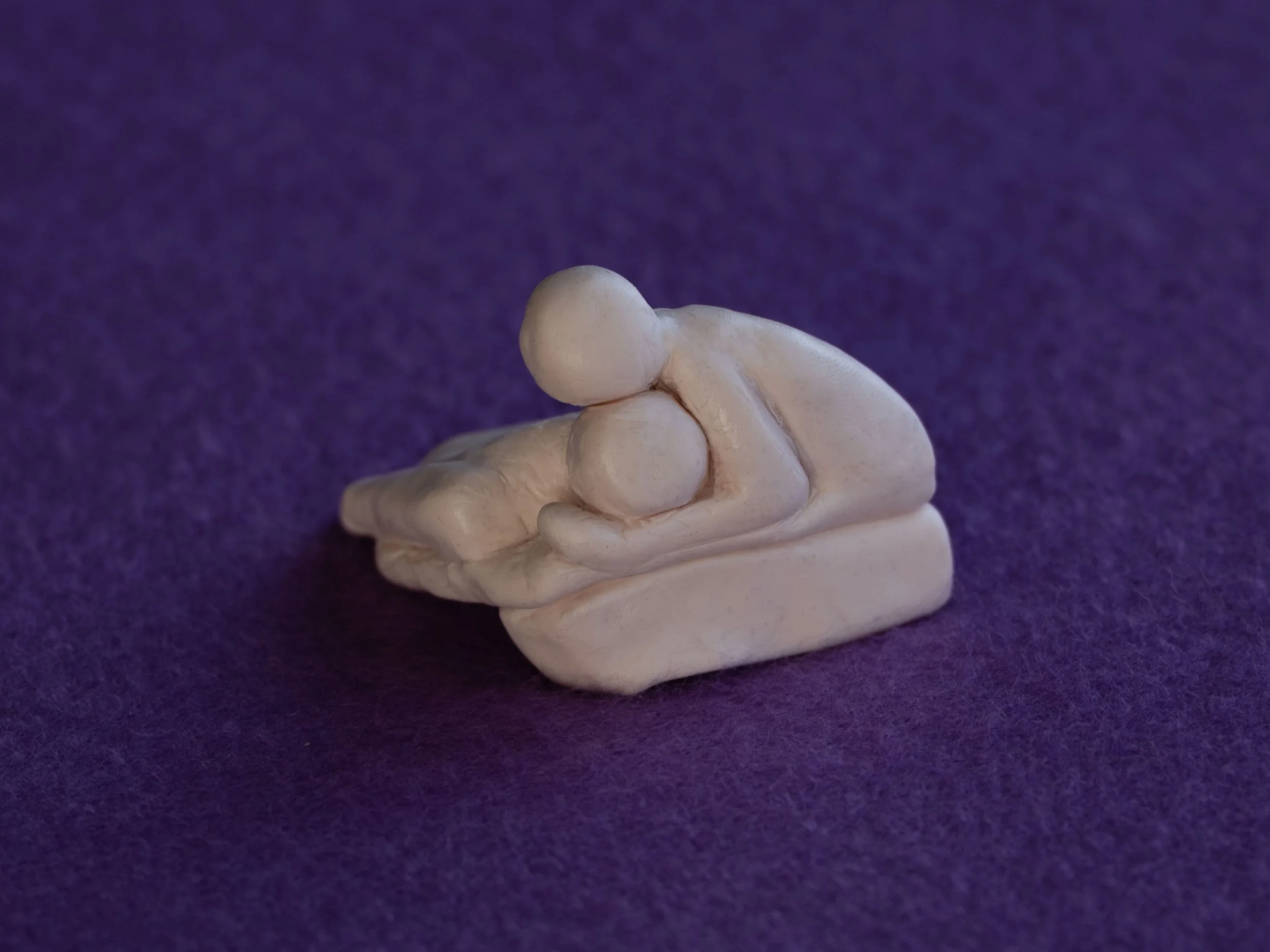
The Invisible Hand
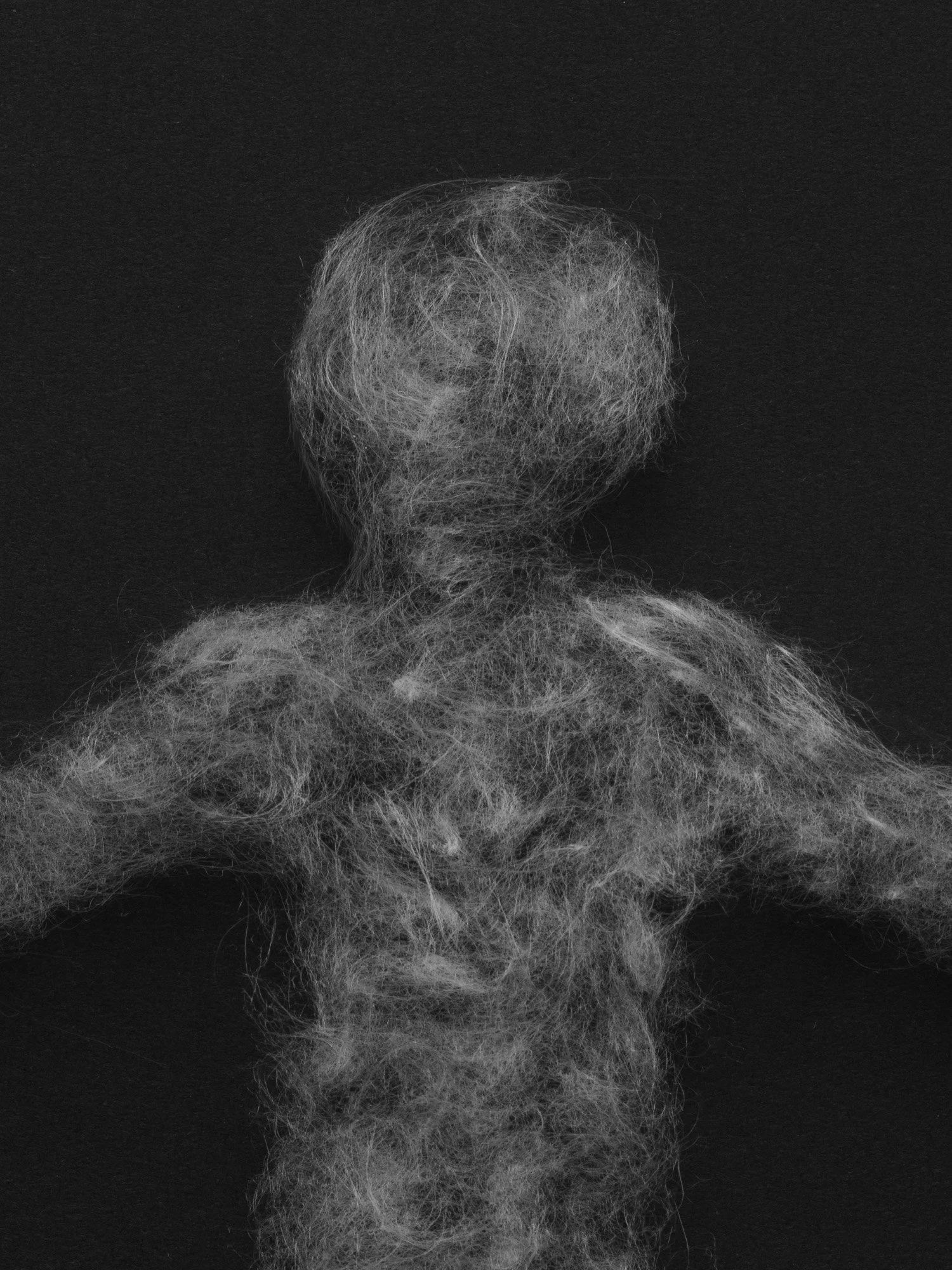
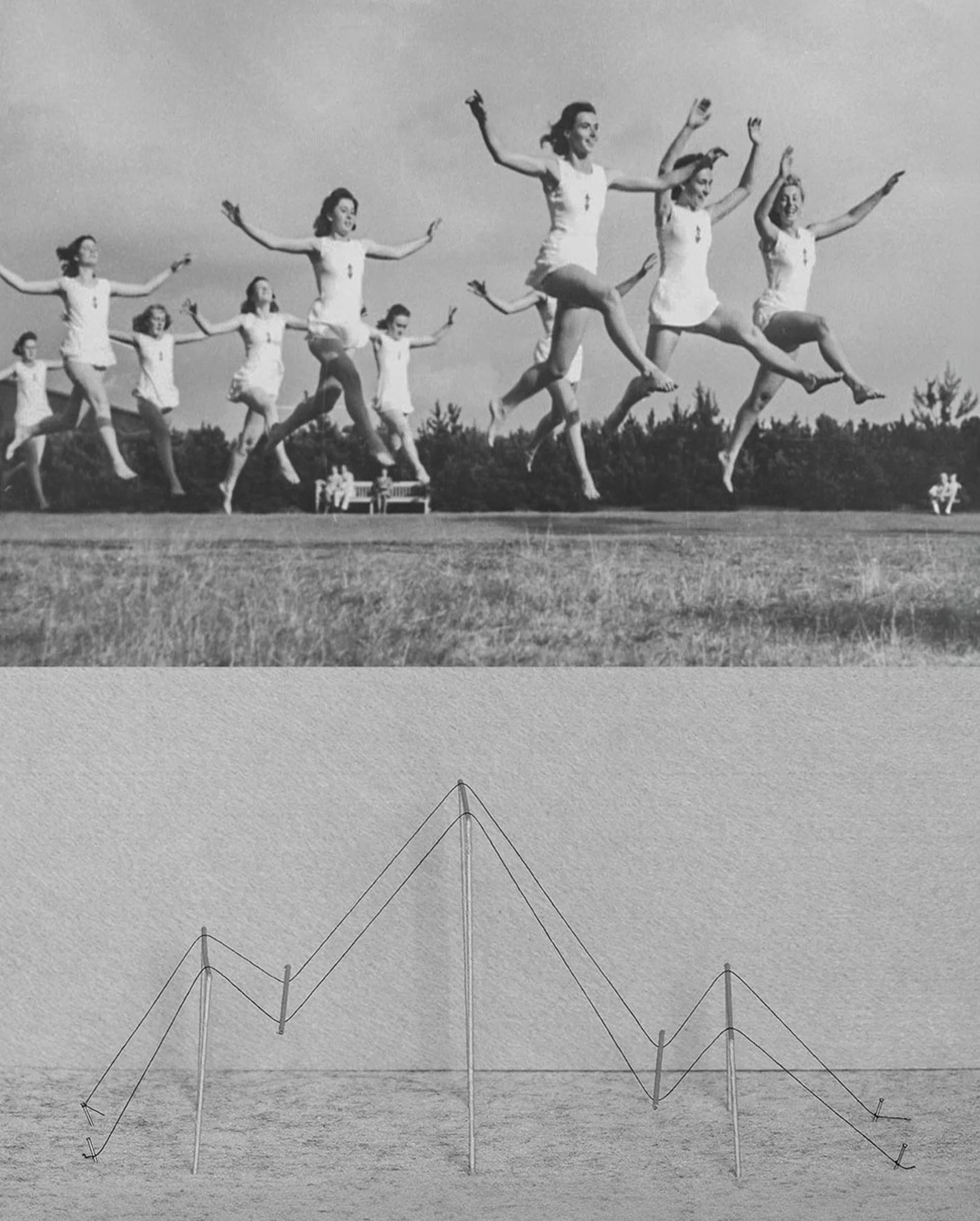
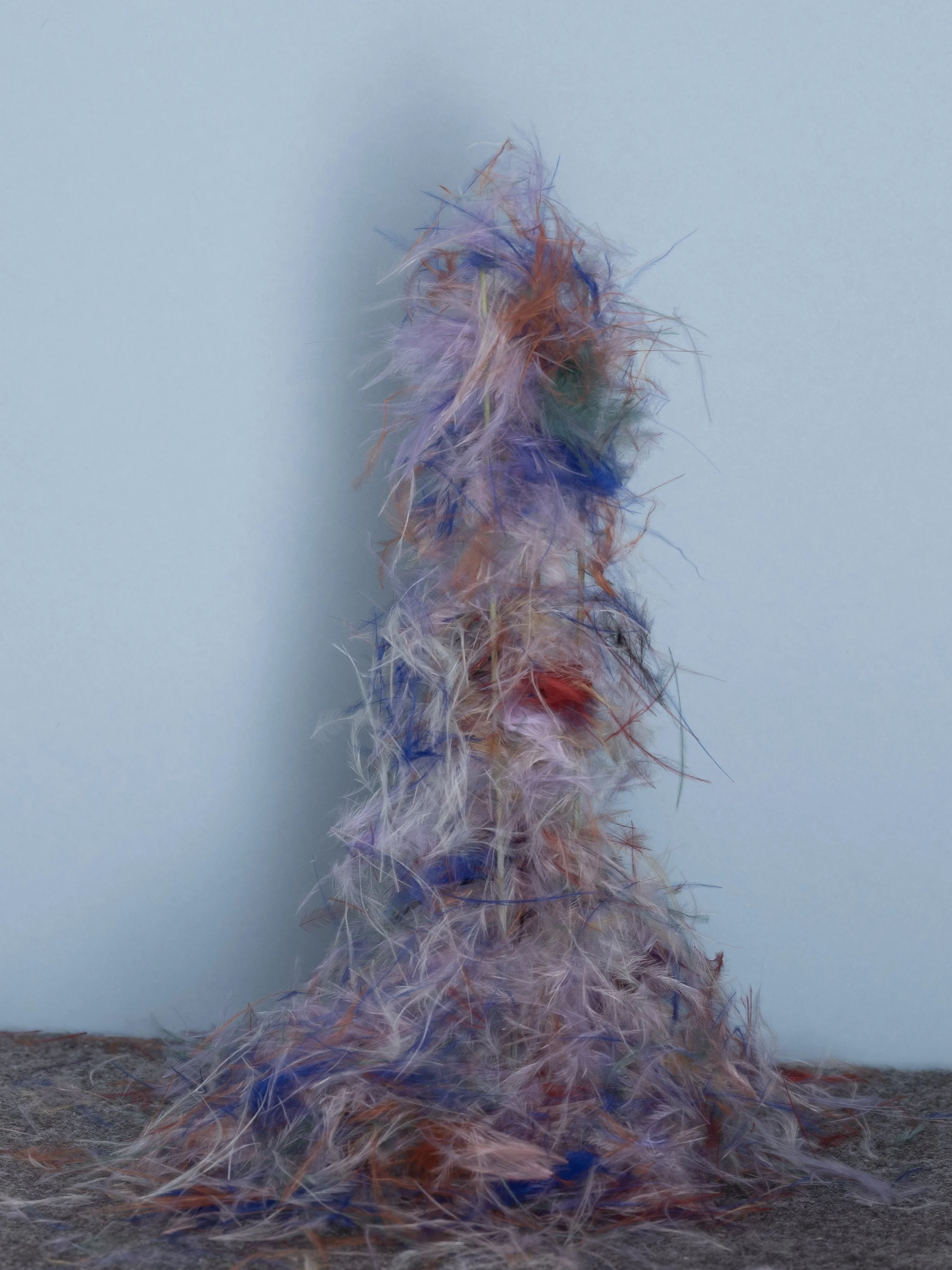
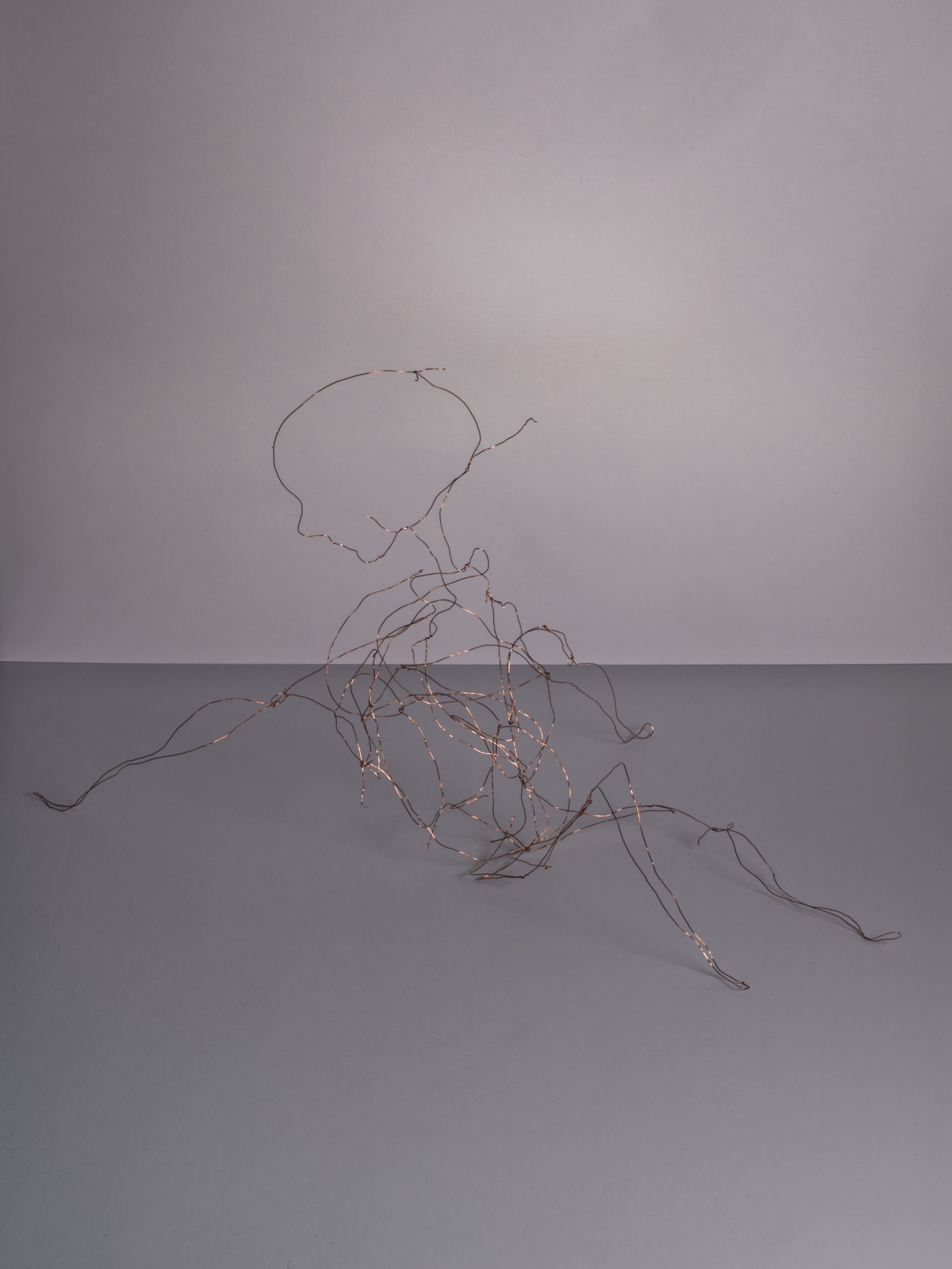
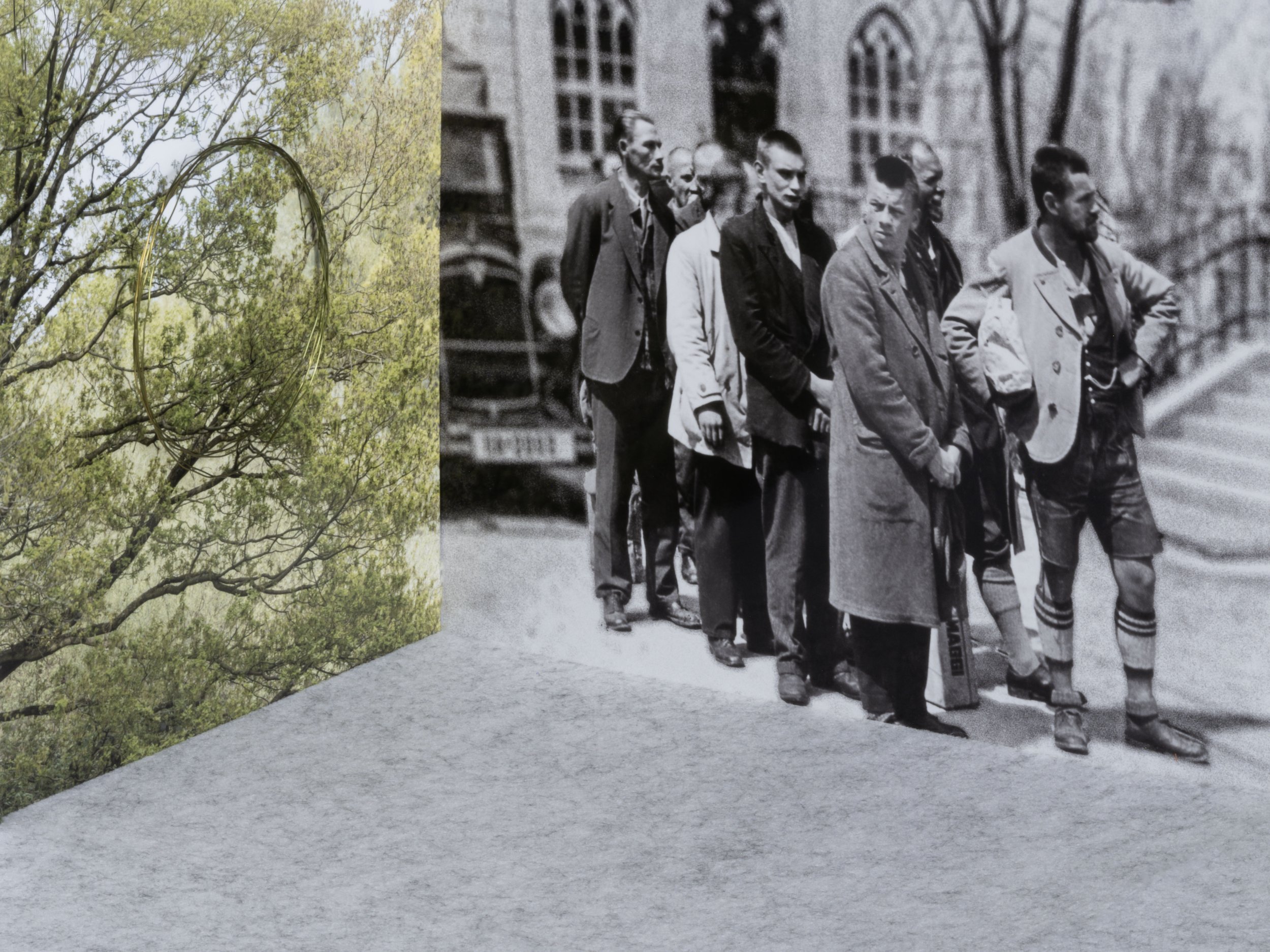
How did the human body become an object of discipline, desire, improvement and standardisation in the twentieth century, and why does that logic still resonate today? The Invisible Hand is an examination of the ideal human body as a cultural construction from the physical culture and racial ideologies of the early twentieth century to today's culture of fitness, beauty and self-optimization. It is a multidiscipinary investigation into how the body and beauty become instruments of ideology and how those mechanisms continue to shape contemporary society and have an impact on the contemporary individual.
There is a historical continuity in ideas about the body as something that must be shaped, improved, disciplined and standardized. Power structures change, ideologies change, but the body remains a site over which power can be exercised. The Invisible Hand does not criticize health or fitness per se, but examines when a healthy ideal turns into a standard that is used to judge, discipline or exploit people. This project recognises that the desire to be healthy, strong and full of vitality is fundamentally human and valuable. The critical question only arises when a society generates a particular physical ideal universal, attaches value to it, and then systematically holds people accountable for achieving it.